

Best 10 Proposal Couple AI Prompts for Emotional Rooftop Proposals with Skyline Views
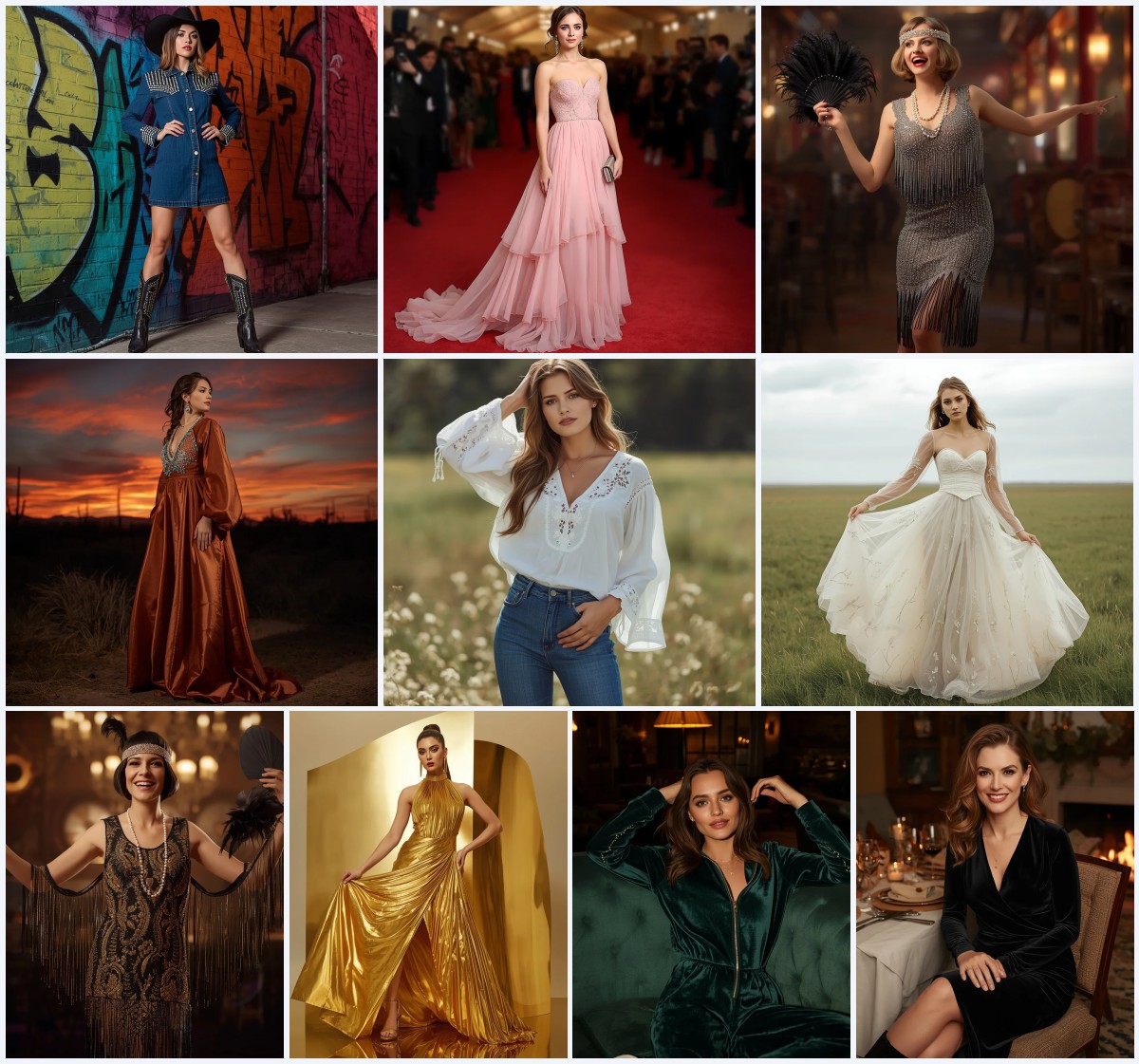
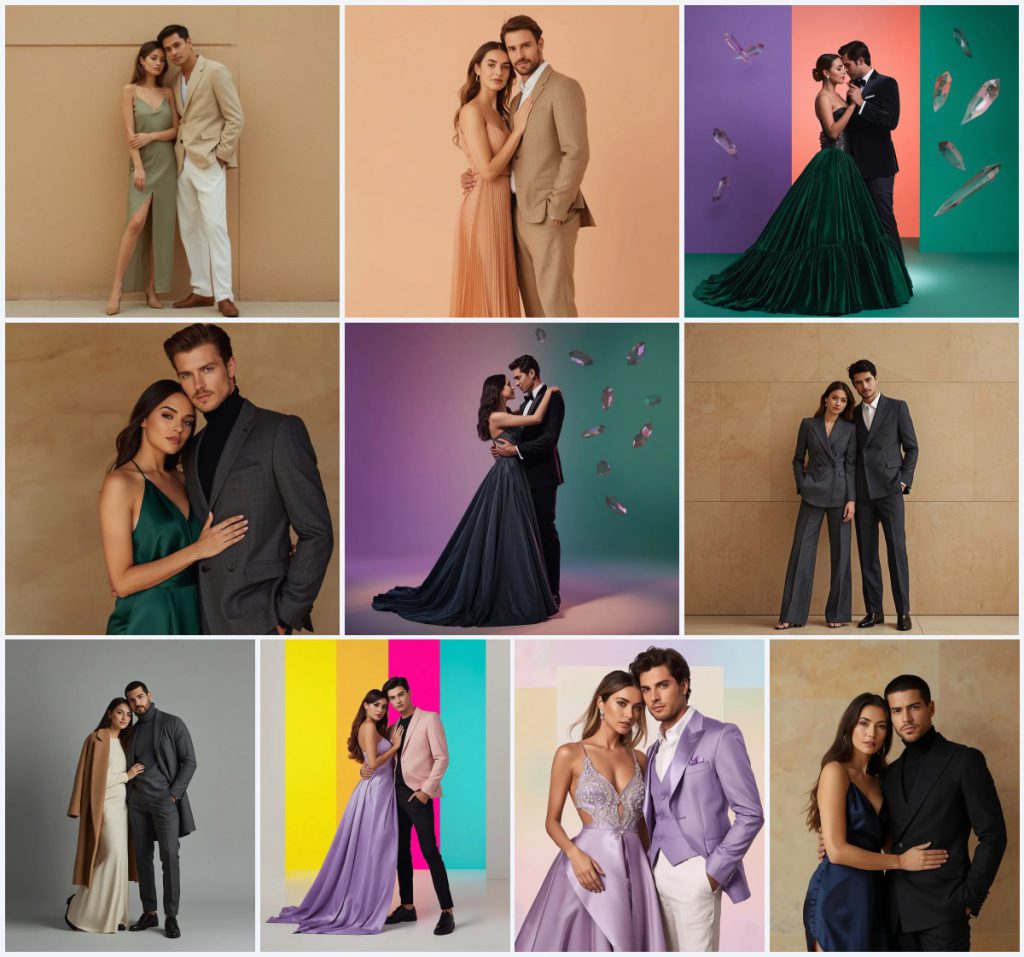
This collection gathers ten distinct AI image prompts built around a single emotional idea: a couple posed together in elegant western fashion, photographed with clean studio discipline and premium editorial polish. Across the set, the shared scene is a full-body couple portrait against a controlled backdrop, lit softly and framed to keep attention on the two people and their connection. Some prompts place the pair against a warm sandstone wall, others on travertine stone, and a few use a clean multicolor studio setup with color-block panels or floating crystalline prisms.
The titles in this set include Elegant Romantic Couple in Sophisticated Linen Wear Outfits, Romantic Couple In Matching Emerald Velvet Gala Outfits, Sophisticated Modern Couple In Elegant Evening Western Wear Posing, Romantic Couple In Matching Charcoal Velvet Gala Outfits, Romantic Couple In Sophisticated Monochromatic Winter Wear, Romantic Couple In Elegant Pastel Silk Modern Party Wear, and Romantic Couple In Matching Lavender Silk Suits. Each one keeps the same core grammar: full body, ultra-realistic skin, soft cinematic lighting, shallow depth of field, DSLR style, and 8K resolution. The variation comes from wardrobe, pose, and background, not from a change in photographic language.
What these proposal couple prompts are actually asking for
These prompts request a polished, fashion-editorial couple portrait rather than a candid snapshot. The model is told to render two people in full body, standing or embracing, with calm and connected expressions, and to treat fabric, skin, and hair as the main texture story. Backgrounds stay clean so nothing competes with the couple, and the lighting is described as soft, cinematic, and directional, which usually means a gentle key light with controlled falloff rather than flat even brightness.
- Full-body framing of two people in coordinated western outfits.
- Ultra-realistic skin textures with natural highlights and hair detail.
- Soft cinematic lighting that defines facial features and fabric texture.
- Shallow depth of field with a DSLR photography look.
- Clean backgrounds such as warm sandstone, travertine stone, pastel peach, or a multicolor studio setup.
- 8K resolution with premium color grading and high dynamic range.
The shared scene across the set
Every prompt in this collection builds a controlled portrait environment. In the linen and autumn entries, the couple stands against a simple wall or pastel backdrop, and the prompt asks for "a clean, warm sandstone wall" or "a clean, soft pastel peach background." The stone and suit prompts lean on "a clean, minimal warm travertine background" and "a tailored charcoal grey double-breasted suit with a minimal black turtleneck." The gala entries push further into spectacle with "an intimate, elegant dance stance under a soft spotlight" and a background that blends "neon violet, soft peach, and deep emerald with floating 3D crystalline prisms."
The winter and party-wear entries keep the same studio logic but change the mood. One asks for "a clean, minimal cold grey background" with "a cream knit maxi dress and a long wool coat," while another uses "sharp, random vertical color-block panels of neon yellow, hot magenta, and electric cyan." The collage-style lavender entry softens that idea into "a soft, shifting multicolor pastel background with geometric patterns" and adds "heavy pearl embroidery on lavender silk." In all ten, the scene stays readable because the couple remains the subject and the backdrop stays disciplined.
Why this couple portrait formula works
First, the prompts describe clothing with enough specificity that the model has real decisions to make about material, drape, and color, which reduces the chance of generic fashion output. Second, the lighting and lens language, including soft cinematic light, shallow depth of field, and DSLR style, pushes the result toward believable photography instead of illustration. Third, the emotional instruction is explicit through phrases like "serene, loving expressions," "calm and deeply connected," and "genuine happiness," which gives the model a target beyond perfect symmetry.
- Specific wardrobe language gives the model real material and silhouette cues.
- Camera and lighting terms anchor the image in photographic realism.
- Explicit emotional phrasing guides expression and body language.
Three style directions inside this set
This collection supports three clear style directions, and each one stays inside the prompt language rather than importing outside references. You are choosing between a clean editorial studio look, a cinematic gala look, and a soft collage look, and each choice changes wardrobe, background, and light in a specific way.
The editorial studio style keeps everything minimal and distraction-free.
The cinematic gala style adds spotlight drama and prismatic color.
The soft collage style leans on pastel geometry and pearl detail.
- Clean editorial studio: Use the linen, travertine, and charcoal suit prompts, where the couple stands full body against a simple warm wall and the light stays soft and directional.
- Cinematic gala: Use the emerald and charcoal velvet entries, where the couple holds an intimate dance stance under a soft spotlight with floating 3D crystalline prisms behind them.
- Soft collage pastel: Use the lavender silk collage entry, where pearl embroidery and geometric pastel patterns create a layered, dreamy frame around the couple.
How to run one of these prompts end to end
Pick one title from the set, copy its full prompt text, and treat it as a single generation brief rather than a loose description. If you are using a reference image, upload it first and let the model read the pose and proportions before you paste the prompt. Then generate, inspect the result at full size, and correct the specific failures you see instead of rewriting everything.
- Choose and copy. Select one prompt, such as the travertine stone entry with the navy satin slip dress, and copy the entire text exactly.
- Upload a reference. If you have a couple photo you are allowed to use, upload it so the model can match pose, height difference, and body proportions.
- Generate the first pass. Paste the prompt and run it at the highest resolution your tool allows, keeping the aspect ratio close to a full-body portrait.
- Check hands. Zoom into every hand, especially where the couple touches or embraces, and regenerate if fingers merge or multiply.
- Check faces. Confirm both faces are clean, symmetrical enough, and emotionally consistent with phrases like calm and deeply connected.
- Check the main object. Inspect the hero garment, whether that is the emerald gown, the lavender pearl embroidery, or the charcoal velvet tuxedo, and confirm the fabric reads correctly.
Choosing the reference photo
A good reference photo does more work than any prompt rewrite. It teaches the model your actual proportions, your posture habits, and how the two of you stand together, which is exactly what these prompts are trying to preserve.
- Use a sharp, well-lit photo where both people are fully visible from head to toe.
- Avoid heavy filters, extreme angles, or clothing that hides the body silhouette.
- Prefer a neutral background so the model does not copy clutter into the new scene.
Which tool to use for these prompts
Different tools handle this set differently, and the right choice depends on how much control you want over wardrobe and lighting. The table below compares access, typical realism, and what each tool does well with a specific detail from these prompts.
| Tool | Access | Typical realism | Useful here for |
|---|---|---|---|
| ChatGPT | Free and paid tiers | Good with strong prompt adherence | Rewriting or tightening a prompt before you generate, and checking that phrases like ultra-realistic skin textures stay intact. |
| Google Gemini | Free and paid tiers | Strong on lighting and color | Handling the multicolor studio setups, including the neon violet, soft peach, and deep emerald prism background. |
| Leonardo AI | Free credits with paid plans | High with model tuning | Iterating on fabric detail such as the metallic corset on the emerald gown or the pearl embroidery on lavender silk. |
| Midjourney | Paid subscription | Very high, editorial finish | Producing the premium color grading and shallow depth of field described in the travertine and sandstone entries. |
Three practical tips for better results
Small adjustments to the prompt text often fix more than a full rewrite. These three tips focus on the materials and objects this set actually names.
- Name the fabric explicitly when you edit, for example sage green silk slip dress or oatmeal linen blazer, because vague color words produce flat cloth.
- Keep the backdrop clean by repeating the wall or studio phrase, such as warm travertine stone or clean multicolor setup, so the model does not invent furniture.
- Protect the hero garment by mentioning it once more in your edit, whether that is the emerald gown with metallic corset or the cream knit maxi dress with long wool coat.
Common failures and what to change
These prompts are strong, but they can still fail in predictable ways. The table below lists the failures you are most likely to see and the specific change that fixes each one.
| Issue | What to change |
|---|---|
| Merged or extra fingers where the couple touches | Add a line asking for clean, anatomically correct hands and regenerate at higher resolution. |
| Faces look plastic or overly smoothed | Reinforce ultra-realistic skin textures and natural highlights, and reduce any beauty-filter language. |
| Wardrobe color drifts from the prompt | Repeat the exact garment and color, such as emerald green satin slip dress with cowl neck, in the first sentence. |
| Background becomes busy or cluttered | Restate the clean background phrase and remove any extra scene description you added. |
Frequently Asked Questions
Can I mix two prompts from this collection into one image?
Yes, but keep the photographic language consistent. Borrow wardrobe from one entry and background from another, then keep a single lighting and lens description so the result still looks like one photograph.
Why do my results look like fashion illustrations instead of photos?
The model is probably dropping the camera terms. Repeat DSLR photography style, shallow depth of field, and 8K ultra HD resolution, and remove any word that suggests painting or drawing.
Do I need a reference photo to use these prompts?
No, but a reference helps a lot when you want your own proportions and posture. If you use one, make sure you have the right to edit that photo before uploading it.
Conclusion
This set works because it repeats one reliable formula across ten variations: two people, full body, clean background, soft cinematic light, realistic skin, and a specific outfit that gives the model something concrete to render. Choose the style direction that matches your mood, copy the prompt exactly, and fix failures one at a time instead of rewriting the whole brief. With a decent reference photo and a patient second pass, these prompts can produce couple portraits that look intentional, elegant, and ready to post.
Only edit and upload a reference photo that you own or otherwise have the right to edit.