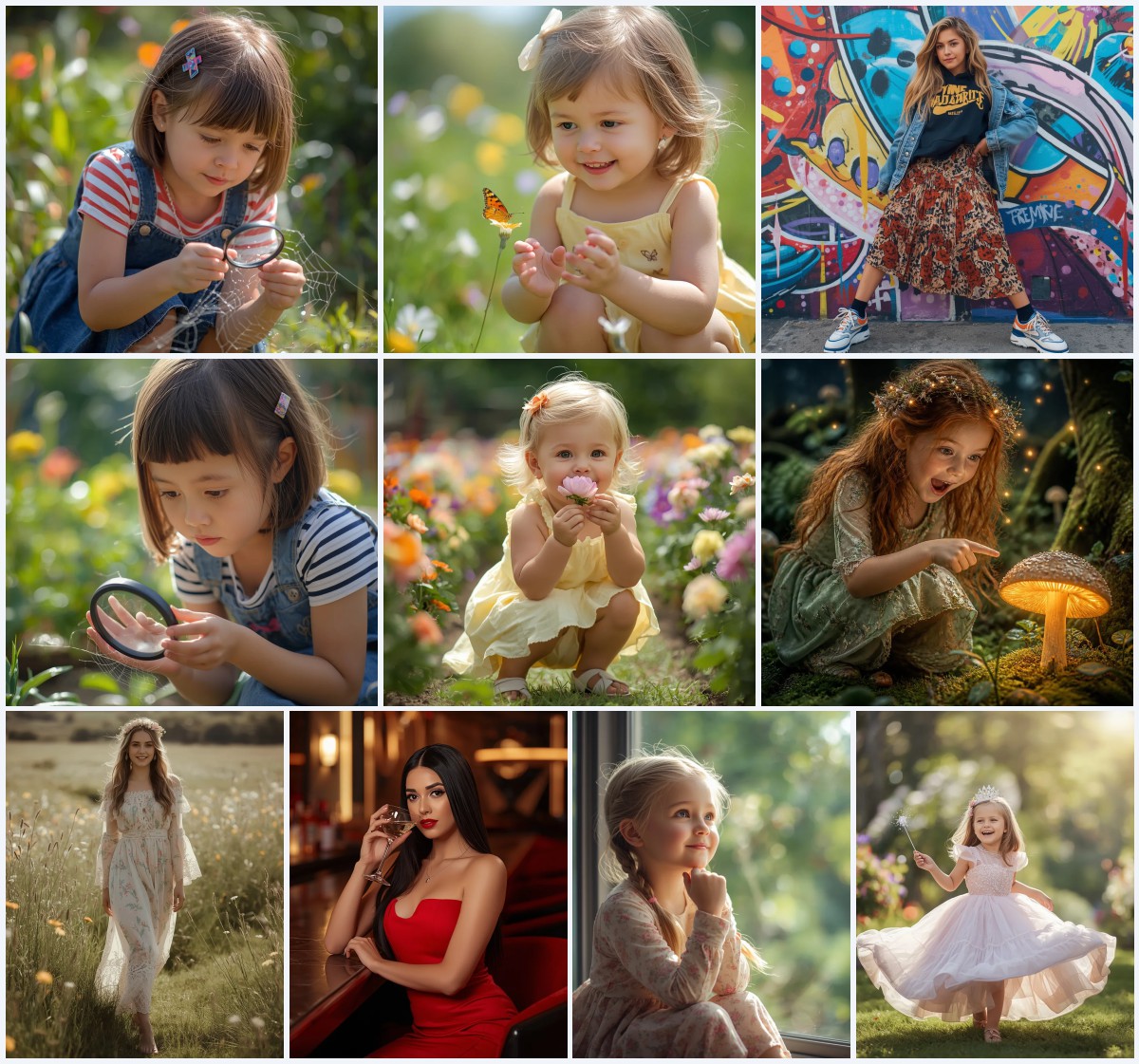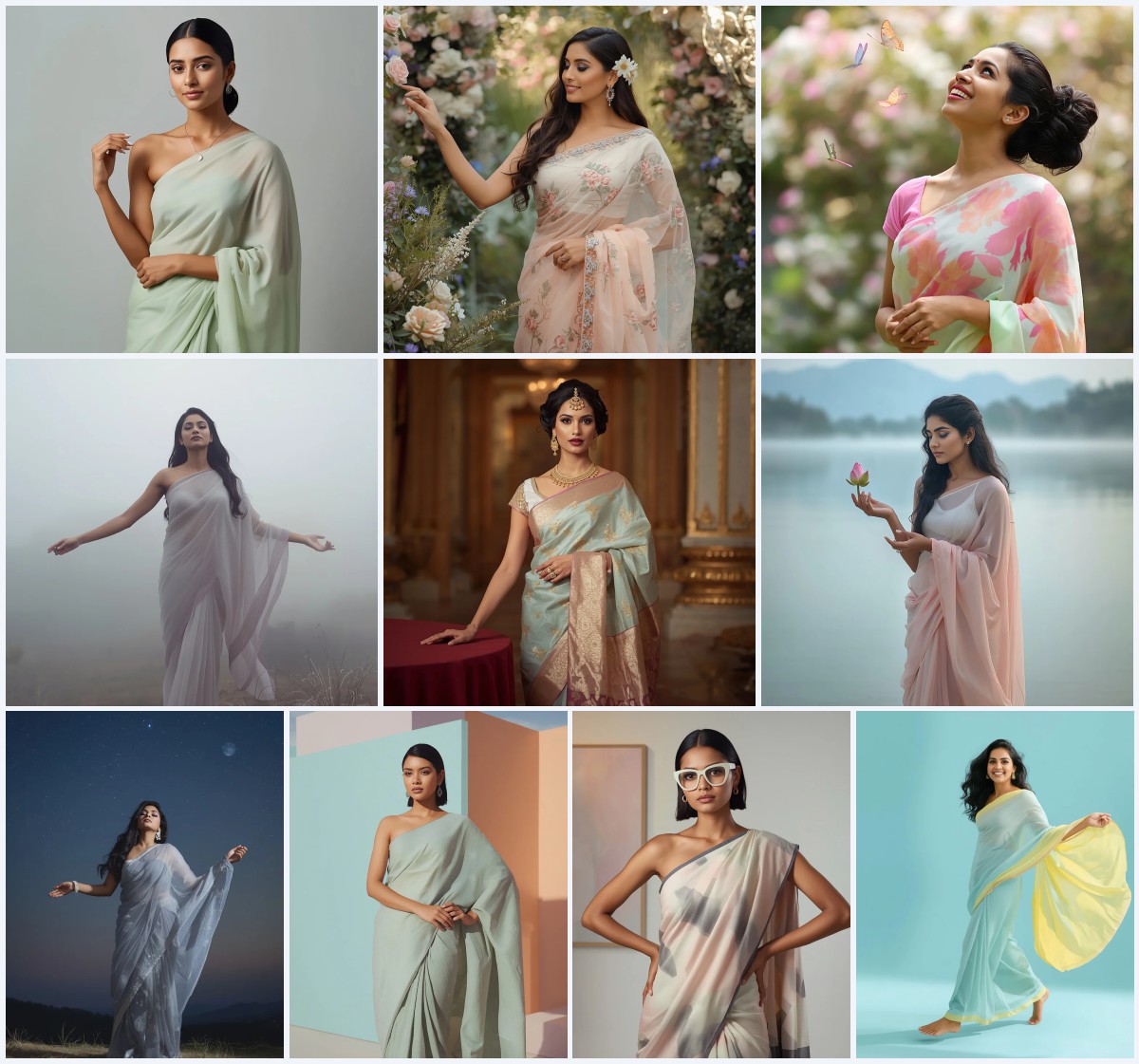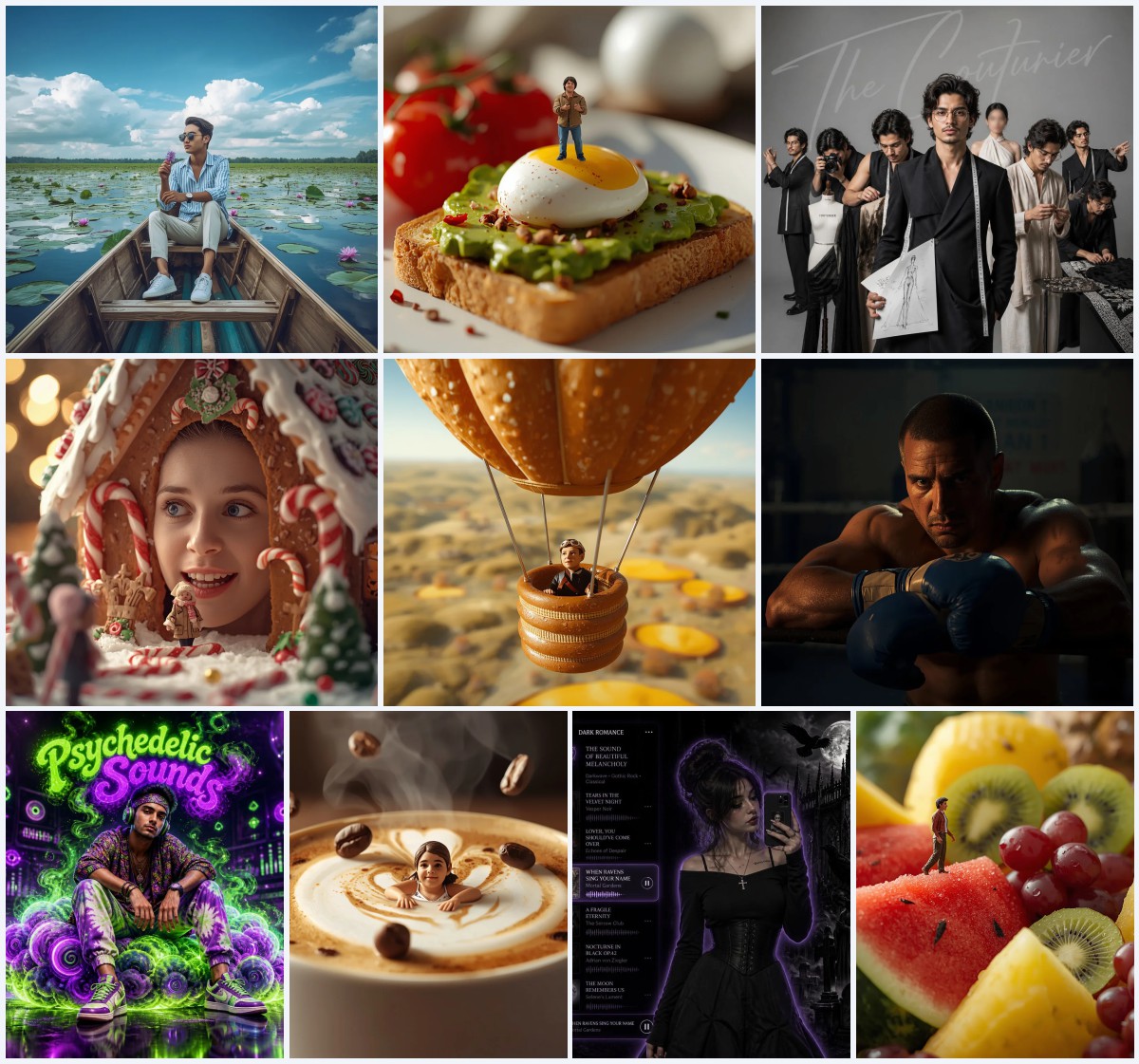


Top 10 Ultra Realistic Photo AI Prompts for DSLR Quality Candid Street Photography Moments
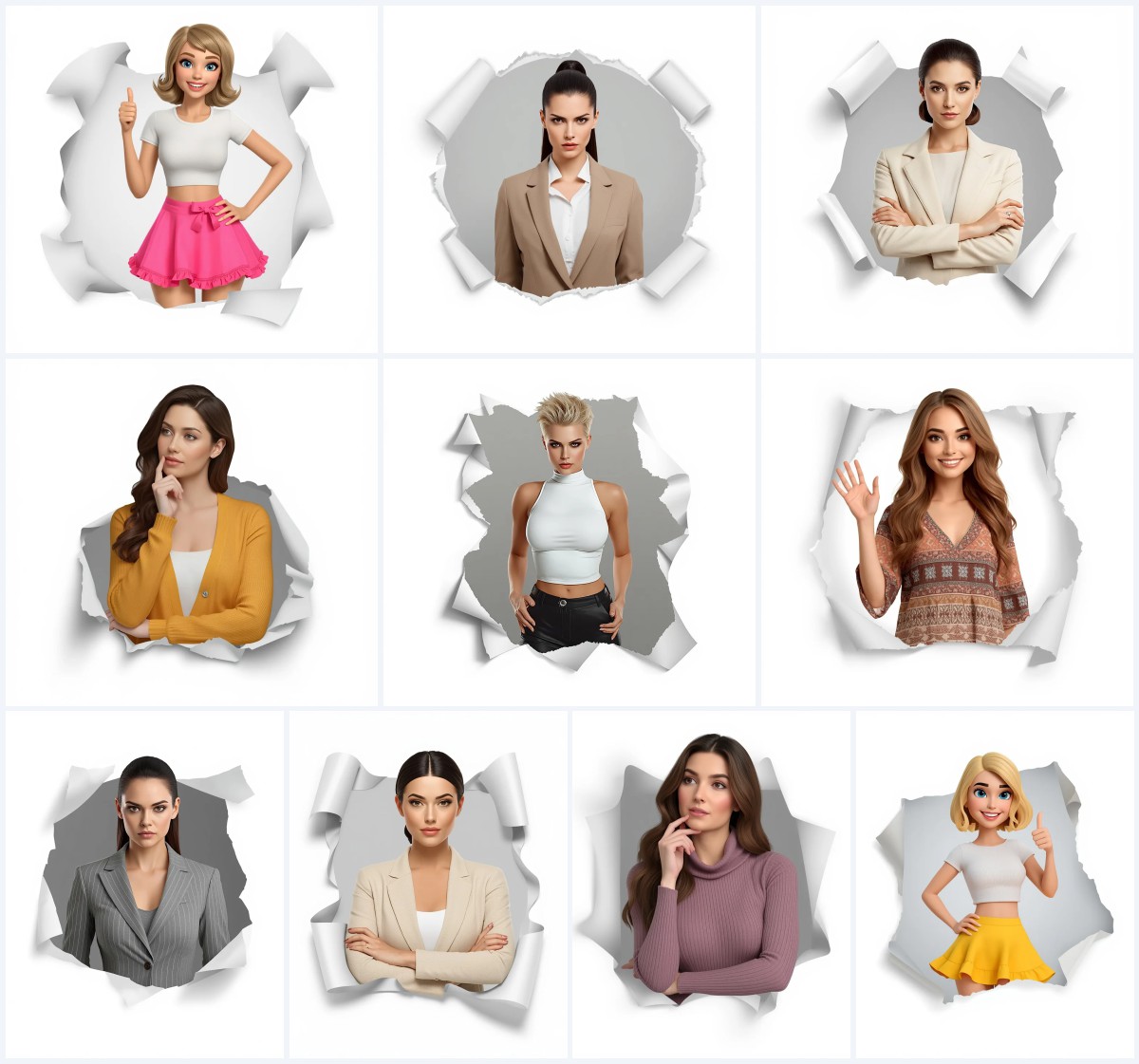
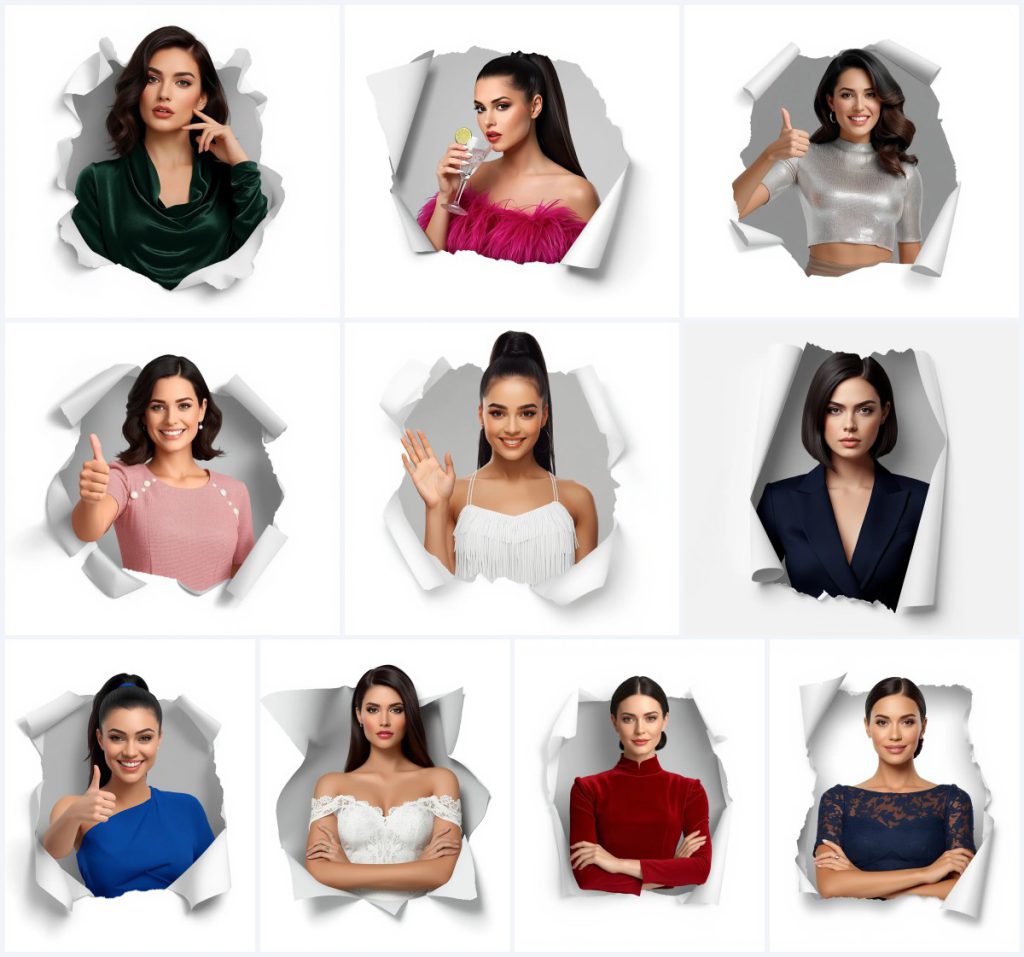
This collection brings together ten ultra-realistic photo AI prompts that all share one striking visual trick: a woman pushing through a torn paper hole, as if stepping out of a magazine page. Each prompt keeps the same core composition—half-body, chest-up, face preserved from a reference image—but changes the wardrobe, pose, and mood. The result is a set of DSLR-quality candid street photography moments that feel both polished and spontaneous.
You will find deep emerald velvet, fuchsia feathers, silver sequins, pink tweed, white fringe, navy tailoring, cobalt blue structure, white lace, ruby red velvet, and navy lace. Every look is paired with a specific gesture or expression, from a pensive temple touch to a confident thumbs-up. The prompts are designed for AI tools that accept a reference photo, so the person you upload stays recognizable while the scene transforms.
What this torn-paper portrait collection is asking for
Each prompt in this collection asks for a half-body portrait of a woman who emerges through a torn paper hole. The torn edges wrap around her upper body, and the interior of the hole has a soft light grey gradient that creates a 3D pop-out effect. The facial identity is preserved from a provided reference image, so the person you upload remains consistent across all ten looks. The wardrobe and pose change from prompt to prompt, but the torn-paper framing stays the same.
- A half-body, chest-up portrait of a woman with facial identity preserved from a reference image.
- A torn paper hole with realistic ripped edges wrapping around her upper body.
- A soft light grey gradient inside the paper hole to enhance depth and 3D pop.
- Specific garments: deep emerald green velvet cowl neck, fuchsia feather-trimmed top, silver sequin crop top, pink tweed top with pearl embellishments, white fringe-embellished top, navy blue tailored jumpsuit, cobalt blue structured top, white lace off-shoulder top, ruby red velvet dress, navy blue lace cocktail dress.
- Distinct poses and expressions: thoughtful temple touch, sipping from a cocktail glass, thumbs-up with a wide smile, energetic wave, serious contemplative look, arms gracefully crossed, calm knowing smile.
- Hairstyles that vary per prompt: soft waves, voluminous high ponytail, bouncy blowout, wavy lob, sleek straight bob, side-swept, sleek low bun, French twist.
The shared scene: paper, depth, and candid gestures
Every prompt builds the same basic scene. The woman is framed from the chest up, and she "emerges dynamically through a torn paper hole, with realistic ripped edges wrapping naturally around her upper body." The torn paper is not a flat background; it is a physical layer that interacts with her clothing and hair. Inside the hole, "the interior of the paper hole features a soft light grey gradient, enhancing the illusion of depth as she slightly pops out in 3D." That gradient is what makes the portrait feel like a window rather than a sticker.
The gestures are what turn these into candid street photography moments. In one prompt, she "strikes a thoughtful pose, with her index finger lightly touching her temple, eyes slightly averted." In another, she is "captured elegantly sipping from a crystal-clear cocktail glass with a lime wedge." A third shows "an enthusiastic thumbs-up gesture, her smile wide and genuine." These small actions keep the collection from feeling like a uniform lineup, even though the framing and torn-paper effect stay consistent.
Why this collection works for realistic portraits
First, the torn-paper frame adds a physical depth cue that most AI portraits lack. The ripped edges and the grey gradient inside the hole give the model clear instructions for layering, so the woman appears to push forward rather than sit flat. Second, the reference-image requirement keeps the face consistent across ten different outfits and poses, which is essential for anyone building a cohesive portfolio or social media series. Third, the wardrobe variety is wide but specific: velvet, feathers, sequins, tweed, fringe, lace, and tailored jumpsuits each have distinct textures that AI models can render with high realism when the prompt names them directly.
- The torn-paper hole with ripped edges and a soft grey gradient creates a 3D pop-out effect that makes the portrait feel tangible.
- Facial identity is preserved from a provided reference image, so the same person appears across all ten looks without losing recognizability.
- Each prompt names a specific fabric and garment—deep emerald green velvet, fuchsia feather trim, silver sequins—which gives the AI clear texture instructions for DSLR-quality realism.
Three style directions inside this collection
This collection contains three distinct style directions. The first is opulent evening glamour, built around rich fabrics and dramatic textures. The second is playful preppy energy, where bright colors and cheerful gestures dominate. The third is modern power dressing, with sharp tailoring and composed expressions. All three stay within the same torn-paper framing, so you can mix them in one series without losing visual consistency.
- Opulent evening glamour: The deep emerald green velvet cowl neck top and the ruby red velvet dress both use luxurious fabric and elegant styling to create a high-end evening mood.
- Playful preppy energy: The pink tweed top with pearl embellishments and the fuchsia feather-trimmed top pair bright colors with enthusiastic gestures like a thumbs-up or a sip from a cocktail glass.
- Modern power dressing: The navy blue tailored jumpsuit with a sharp lapel and the cobalt blue structured top with an asymmetric neckline project confidence through clean lines and composed poses.
How to generate these torn-paper portraits step by step
Start by choosing one prompt from the collection and copying it exactly as written. Each prompt is self-contained, so you do not need to merge them. Upload your reference photo to the AI tool you are using, then paste the prompt into the text field. Generate the image, and then check the hands, the face, and the main object—whether that is the torn paper hole, the cocktail glass, or the thumbs-up gesture. If the face drifts from your reference, reduce the stylization strength or add a line about preserving facial identity. Repeat with the next prompt in the collection to build a consistent set.
- Copy the prompt. Select one prompt from the collection and copy the full text without editing the garment, pose, or torn-paper description.
- Upload your reference. Provide a clear, well-lit photo of the person you want to appear in the portrait, ideally facing forward with a neutral expression.
- Generate the first image. Paste the prompt into your AI tool and run the generation at high resolution to see how the torn paper and fabric textures render.
- Check the hands. Look at the fingers in gestures like the thumbs-up, the temple touch, or the cocktail glass hold; regenerate if they look fused or misshapen.
- Check the face. Compare the generated face to your reference photo; if the identity has drifted, lower the stylization or add a reminder to preserve facial identity.
- Check the main object. Inspect the torn paper hole, the grey gradient inside it, and any prop like the cocktail glass or the fringe top to make sure the edges and textures are clean.
Choosing the right reference photo
The reference photo is the anchor for all ten prompts. Because each prompt preserves facial identity, a clear, front-facing portrait works best. Avoid photos with heavy shadows or extreme angles, as those can confuse the model when it tries to match the face to the torn-paper composition. A neutral expression is ideal because the prompts themselves specify the mood and gesture.
- Use a well-lit, front-facing photo where the face is clearly visible and not obscured by hair or accessories.
- Choose a neutral expression so the prompt's specified mood—pensive, joyful, serious, calm—can take over without conflicting with the reference.
- Avoid heavy filters or extreme angles, as they can cause the AI to misread facial features when preserving identity across different poses.
Which AI tools handle these prompts best
Different tools have different strengths when it comes to preserving facial identity and rendering fabric textures. ChatGPT and Google Gemini are convenient for quick edits and prompt refinement, while Leonardo AI and Midjourney offer more control over realism and composition. The table below compares their access, typical realism, and what each can do with a specific detail from this collection.
| Tool | Access | Typical realism | Useful here for |
|---|---|---|---|
| ChatGPT | Free and paid tiers | Moderate to high | Refining the prompt text and checking that the torn paper hole description stays consistent across all ten looks. |
| Google Gemini | Free and paid tiers | Moderate to high | Quickly testing variations of the emerald green velvet cowl neck top and the fuchsia feather-trimmed top. |
| Leonardo AI | Free tier with paid upgrades | High | Rendering the silver sequin crop top and the white fringe-embellished top with detailed texture and lighting. |
| Midjourney | Paid subscription | Very high | Producing the torn paper hole with realistic ripped edges and the soft light grey gradient for a convincing 3D pop-out effect. |
Tips for better torn-paper portraits
These tips focus on the specific materials and objects named in the prompts. Paying attention to fabric texture, gesture clarity, and the torn-paper edge will improve your results. Small adjustments to the prompt can make a big difference in how the AI interprets velvet, feathers, or sequins.
- When working with the deep emerald green velvet cowl neck top, add a line about soft directional light to bring out the fabric's rich drape and subtle sheen.
- For the fuchsia feather-trimmed top, specify that the plumes should catch the light individually so they do not merge into a single blurry shape.
- With the silver sequin crop top, ask for scattered highlights across the sequins to avoid a flat, metallic patch that looks like plastic.
Common issues and how to fix them
These prompts can fail in predictable ways. The torn paper edges might look too clean, the hands in gestures might distort, the face might drift from the reference, or the fabric textures might flatten. The table below lists the most common problems and what to change in your next generation.
| Issue | What to change |
|---|---|
| Torn paper edges look like a smooth cutout instead of ripped paper | Add words like 'jagged, fibrous edges' and 'uneven tears' to the prompt, and increase the realism setting if available. |
| Hands in gestures like the thumbs-up or cocktail glass hold look deformed | Regenerate with a higher resolution, or add 'anatomically correct hands' and 'natural finger placement' to the prompt. |
| The face no longer matches the reference photo | Lower the stylization strength, or add a line that emphasizes 'facial identity consistently preserved from the provided reference image' at the start of the prompt. |
| Velvet, feathers, or sequins render as flat textures | Name the material again in the lighting description, for example 'light catching each sequin' or 'soft shadows in the velvet folds'. |
Frequently Asked Questions
Can I use the same reference photo for all ten prompts in this collection?
Yes. Each prompt preserves facial identity from the provided reference image, so you can upload one clear portrait and generate all ten looks without losing recognizability. Just make sure the reference photo is well-lit and front-facing.
What makes the torn paper hole look three-dimensional?
The prompt specifies a soft light grey gradient inside the paper hole and realistic ripped edges wrapping around the upper body. Together, these details create the illusion of depth and make the woman appear to pop out in 3D.
Do I need a paid AI tool to get DSLR-quality results from these prompts?
Not necessarily. Free tiers of ChatGPT and Google Gemini can produce good results, but paid tools like Leonardo AI and Midjourney typically offer higher realism and better control over fabric textures like velvet, sequins, and feathers.
Conclusion
This collection of ten ultra-realistic photo AI prompts gives you a consistent, eye-catching format—the torn paper hole—with enough wardrobe and pose variety to build a full series. Whether you want opulent velvet, playful feathers, or sharp tailoring, each prompt is self-contained and ready to use with a reference photo. Start with one look, check the hands, face, and torn-paper edges, and then expand into the rest of the set. The result is a set of DSLR-quality candid portraits that feel both polished and alive.
Always make sure you have the right to edit and use any reference photo you upload.