

Best 10 Luxury AI Prompts for Exquisite Product Photography of High-End Jewelry
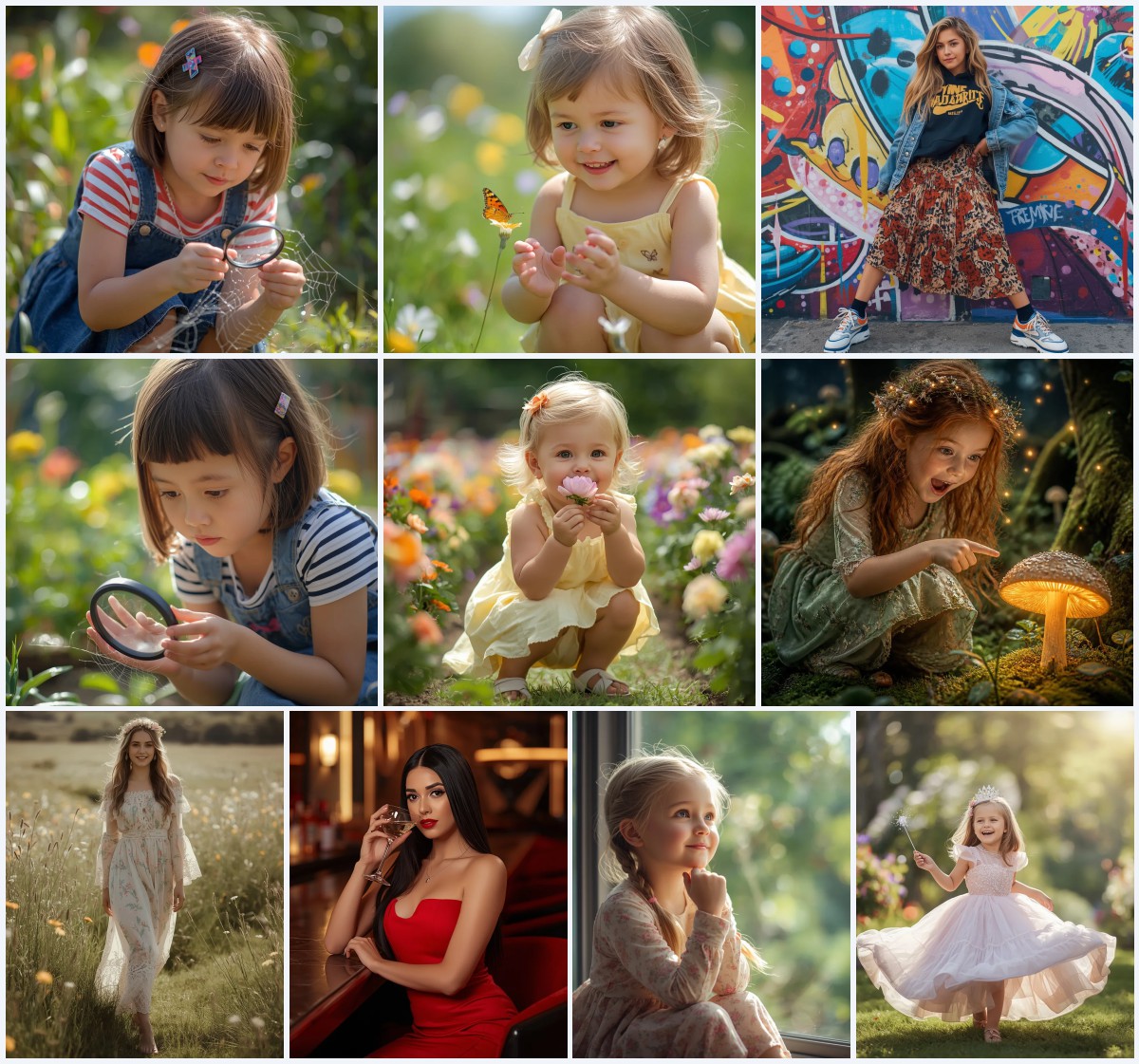
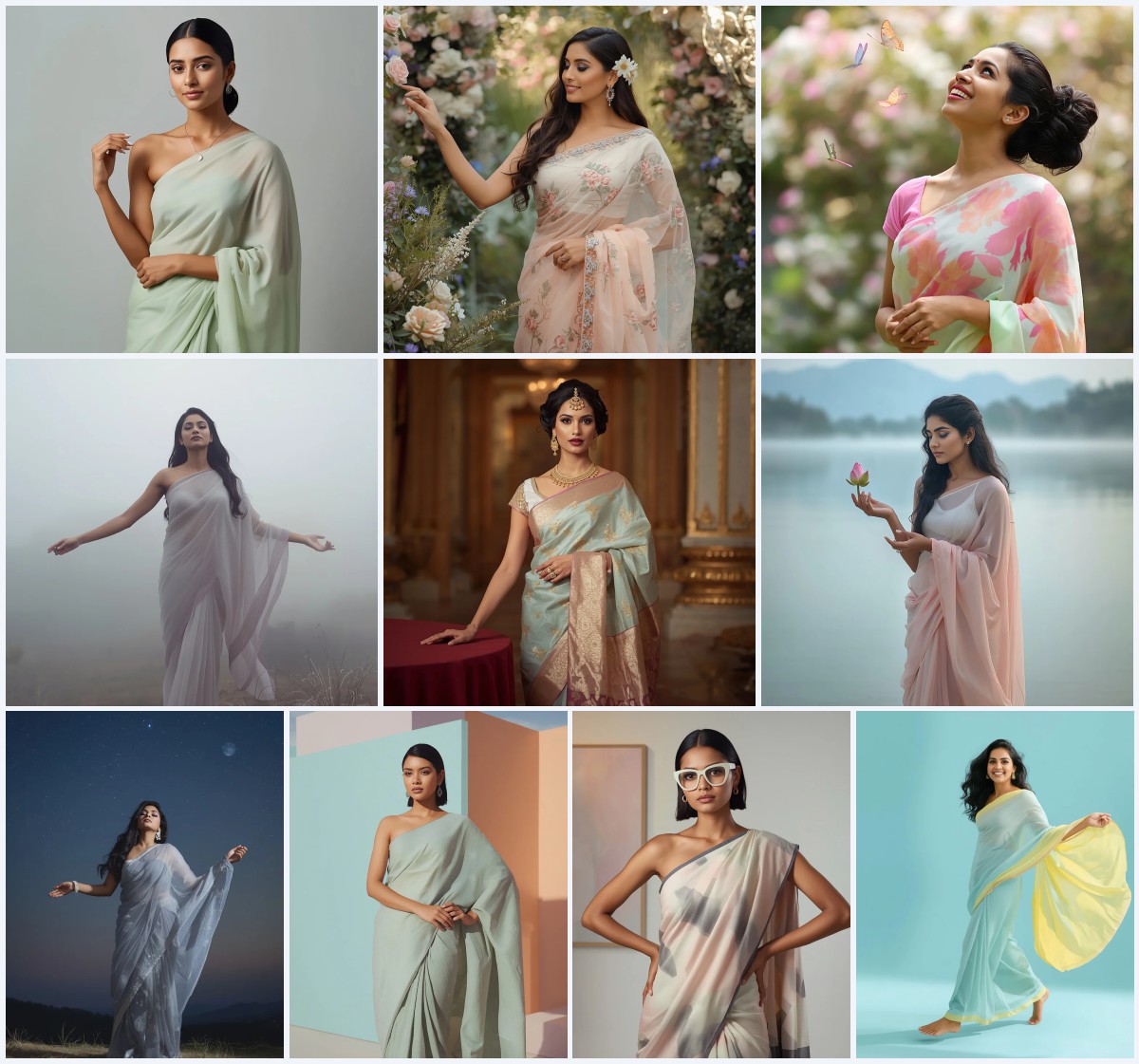
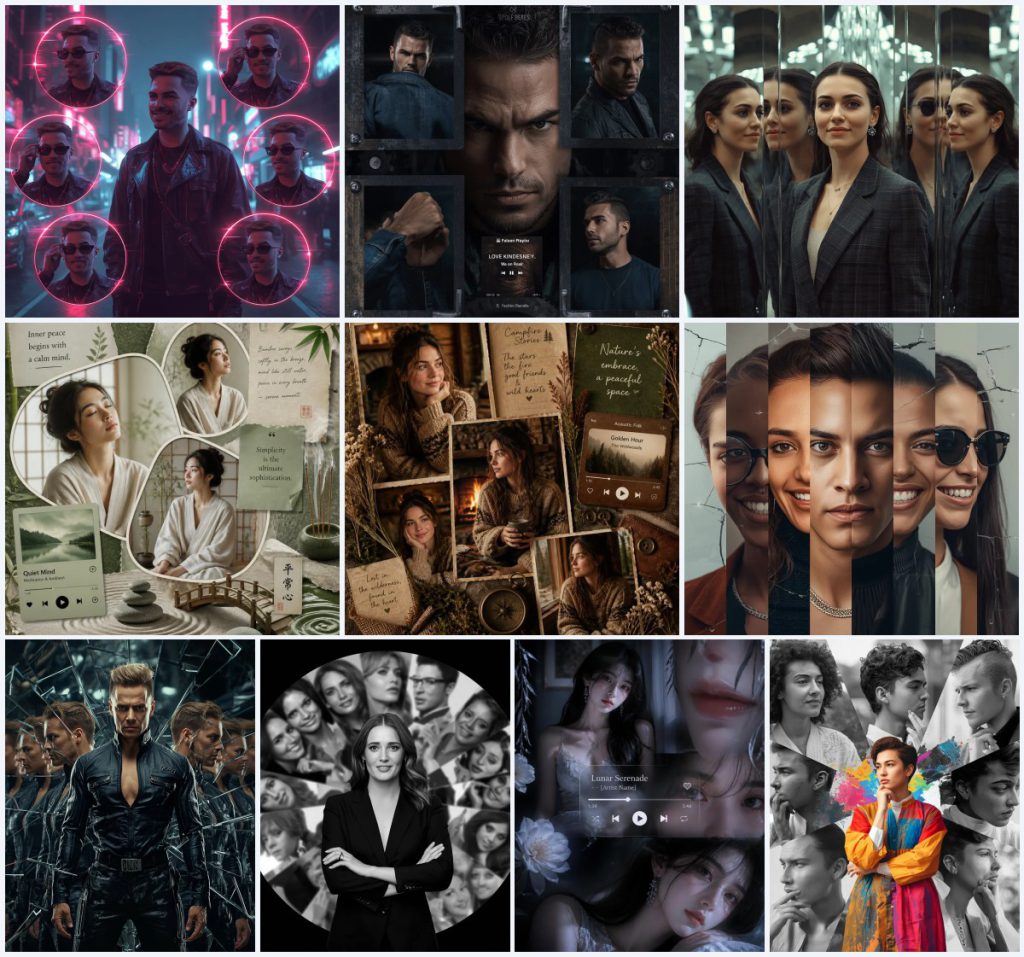
The Best 10 Luxury AI Prompts for Exquisite Product Photography of High-End Jewelry collection on Prompt Pic Girl gathers ten distinct visual concepts that all aim to make a person and their accessories look like a premium editorial. Despite the title's focus on jewelry, these prompts actually build full portrait scenes where the subject's face, outfit, and surrounding props carry the luxury feel. You get cyberpunk neon frames, denim and leather collages, zen garden scrapbooks, cozy cabin layouts, split personalities, fractured mirrors, radial monochrome collages, moonlit silver reels, and abstract painterly radials. Each prompt is a complete recipe for a single image or a multi-frame collage, and all of them rely on an uploaded reference photo to keep the person recognizable.
This article walks through the shared logic of these ten prompts and then zooms in on the recurring scene elements, the reasons they work for high-end product photography, three style directions you can take, a six-step workflow, photo requirements, tool comparisons, practical tips, common issues, and a short FAQ. You will not find the full prompt text pasted here because the page above already shows it. Instead, you get the thinking behind the words so you can adapt them without losing the luxury mood. The goal is to help you generate portraits that feel like they belong in a jewelry campaign, even when the prompt itself is about a collage or a mirrorverse.
What this luxury jewelry portrait collection is asking for
At its core, this collection asks the AI to treat your uploaded photo as the main subject and then wrap that subject in a high-end visual world. The prompts are not simple headshots; they are compositions with frames, reflections, props, and lighting that suggest wealth, craftsmanship, and editorial polish. Whether the prompt says 'cyberpunk-style portrait' or 'vintage aesthetic scrapbook collage', the underlying request is the same: keep the person accurate and make everything around them look expensive. The jewelry connection comes through the emphasis on sharp focus, natural detail, and materials like leather, silver, and glowing skin, which are exactly the qualities you want when showing off a ring, a necklace, or a watch.
- A central subject placed prominently and matched to the reference image for face, hairstyle, and outfit.
- Multiple circular or rectangular frames that orbit, overlap, or slice the composition into sections.
- Specific lighting moods such as soft moonlit silver, warm earthy brown, or neon cyberpunk glow.
- Material details like leather jackets, linen robes, chunky knit sweaters, and metallic accents.
- Aesthetic props including bamboo leaves, small smooth stones, incense sticks, dried wildflowers, and moss.
- A consistent identity across all variations, so every version of the subject still looks like the same person.
The shared scene across these ten prompts
Every prompt in this collection builds a scene where the subject is surrounded by versions of themselves. In the cyberpunk portrait, the instruction is to 'arrange multiple circular frames orbiting or surrounding him, forming a visually balanced composition.' In the masculine denim and leather collage, you get '4-5 overlapping rectangular frames, resembling metal plates bolted together.' The zen garden scrapbook uses 'multiple pebble-shaped photo frames of the same person in a layered layout, slightly tilted and overlapping.' The moonlit silver collage asks for 'multiple cropped variations of the same face arranged in a vertical layered layout.' These are not random decorations; they are structural devices that turn a single portrait into a rich, layered image.
The backgrounds and props vary, but they all serve the luxury mood. The cozy cabin scrapbook calls for 'warm earthy brown and forest green tones with soft ambient lighting and a cozy vintage filter.' The fractured mirrorverse wants 'multiple fractured reflections appearing on broken mirrors and splintered glass surfaces.' The abstract art radial places 'abstract painterly strokes and vibrant color splashes' in the background slices. Even the split personality portrait divides the composition 'into multiple sections, but ensure the central portion is visually dominant.' The common thread is control: the main subject stays sharp and recognizable while the surrounding elements add depth, texture, and a sense of expensive production value.
Why this collection works for high-end jewelry and product photography
First, the prompts keep the subject's identity locked to your reference photo, which means any jewelry or accessory you are wearing stays consistent across every frame. That consistency is essential when you want to show a piece from multiple angles or in different moods without losing the product's identity. Second, the emphasis on sharp focus and natural detail, as seen in phrases like 'captured in sharp focus and full natural detail' and 'smooth, glowing skin and subtle highlights,' creates the kind of clarity that makes small reflective objects like rings and earrings read well. Third, the layered compositions give you multiple visual entry points, so a viewer can admire the face, the outfit, and the jewelry in the same image without the layout feeling cluttered.
- Identity consistency across frames means your jewelry or accessory stays recognizable in every variation.
- Sharp focus and natural detail make small reflective surfaces like rings and necklaces look crisp and premium.
- Layered frames and reflections add editorial depth, turning a simple portrait into a campaign-style image.
Three style directions inside this collection
You can group these ten prompts into three broad style directions, and each one stays inside the collection's own visual language. The first is neon cyberpunk, where circular frames and bold poses create a futuristic, high-contrast look. The second is natural serenity, where sage greens, warm earth tones, and gentle props like bamboo leaves and dried wildflowers create a calm, organic luxury. The third is surreal mirrorverse, where broken glass, fractured reflections, and monochrome radial slices create a mysterious, artistic atmosphere. These three directions cover the range of the collection without asking you to leave the collage or portrait format.
- Neon cyberpunk: Use the cyberpunk portrait prompt with its circular frames and confident smirk to give jewelry a bold, futuristic edge.
- Natural serenity: Follow the zen garden or cozy cabin scrapbook prompts, where soft lighting and organic props make delicate pieces feel calm and refined.
- Surreal mirrorverse: Try the fractured mirrorverse or moonlit silver collage prompts, where reflections and silver lighting add mystery to metallic jewelry.
How to run these prompts step by step
The workflow is the same for every prompt in the collection, whether you are generating a cyberpunk portrait or a zen garden scrapbook. Start by choosing the one prompt that matches your jewelry's mood, then copy its full text from the page above. Upload a clear reference photo where your face, outfit, and the jewelry are all visible. Paste the prompt into your AI tool, generate a first batch, and then inspect the results for hands, face, and the main object. If something is off, adjust the reference photo or add a short clarifying line, then generate again. The six steps below break this down into a repeatable routine.
- Copy the prompt. Select the full text of the prompt you want, such as the fractured mirrorverse or the abstract art radial, and paste it into your notes.
- Upload a reference photo. Choose a well-lit image where your face, hairstyle, outfit, and any jewelry are clearly visible and not obscured.
- Generate the first batch. Run the prompt in your chosen AI tool and produce at least four variations so you have options to compare.
- Check hands. Look closely at every hand in the image, because collage prompts often create extra fingers or awkward grips.
- Check face and identity. Confirm that the main subject still matches your reference photo and that all smaller frames show the same person.
- Check the main object. Inspect the jewelry or accessory you care about; if it is blurry or missing, regenerate with a tighter reference crop.
What your reference photo needs
The reference photo is the anchor for every prompt in this collection, so its quality directly affects how well the jewelry and your identity survive the collage treatment. You want an image where your face is evenly lit, your outfit is fully visible, and any jewelry or accessory is not hidden by shadows or hair. A plain background helps the AI separate you from the scene, and a neutral expression gives the model more freedom to apply the varied expressions the prompts request. Avoid photos where your hands are cropped out if the prompt asks for a hand close-up, and avoid heavy filters that change your skin tone or the color of your jewelry.
- Use even, soft lighting so your face and any jewelry details are clearly visible without harsh shadows.
- Keep your outfit and accessories unobstructed, because prompts like the denim and leather collage preserve your original dress exactly.
- Choose a neutral or simple background so the AI can build the circular frames, scrapbook layout, or mirrorverse without confusion.
Which AI tools handle these prompts best
Not every tool treats collage and reference-based prompts the same way. ChatGPT with image generation is convenient for quick iterations and understands complex layout instructions, but it can struggle with exact identity matching. Google Gemini is strong at following detailed scene descriptions and often produces clean compositions, though its realism varies. Leonardo AI offers good control over style and lighting, making it a solid choice for the moonlit silver and zen garden prompts. Midjourney delivers the highest realism and texture, especially for leather, metal, and skin, but it needs careful reference handling to keep your face accurate. The table below compares them for this specific collection.
| Tool | Access | Typical realism | Useful here for |
|---|---|---|---|
| ChatGPT | Free and paid tiers | Medium to high | Quickly testing the split personality portrait and adjusting the section balance. |
| Google Gemini | Free and paid tiers | Medium to high | Following the zen garden scrapbook's detailed list of bamboo leaves and incense sticks. |
| Leonardo AI | Free and paid tiers | High | Controlling the moonlit silver lighting and deep shadows in the reel-style collage. |
| Midjourney | Paid subscription | Very high | Rendering the metallic plates and leather jacket texture in the masculine denim collage. |
Three practical tips for better luxury results
First, when a prompt mentions specific materials like a leather jacket or a linen robe, make sure your reference photo either shows that material or that you are comfortable letting the AI replace your outfit. The masculine denim and leather collage says to 'keep my original dress/outfit exactly the same,' so a clear view of your clothing prevents the model from guessing. Second, for prompts that include small props such as small smooth stones, dried wildflowers, or silver willow branches, generate at a higher resolution so those details do not turn into mush. Third, if the jewelry you care about is small, crop your reference photo closer to the face and hands so the model has more pixels to work with, then let the collage frames provide the wider context.
- Show your leather jacket, linen robe, or chunky knit sweater clearly in the reference photo if you want the prompt to preserve it.
- Generate at high resolution when the prompt includes small props like smooth stones, dried wildflowers, or willow branches.
- Crop closer to your face and hands when the jewelry is small, so the AI has enough detail to keep it sharp.
Common issues and how to fix them
These prompts are ambitious, and they can fail in predictable ways. The collage structure sometimes causes the AI to duplicate the subject too many times, making the image feel crowded. Identity drift is another frequent problem, especially in prompts with many frames, where the smaller versions stop looking like you. Hands are a classic weak point, particularly in the masculine denim collage that asks for a 'close-up crop of a rugged hand.' Lighting can also go wrong: the moonlit silver prompt may produce shadows that are too deep, hiding the jewelry entirely. The table below lists four issues and the specific change that usually fixes them.
| Issue | What to change |
|---|---|
| Too many duplicate frames | Reduce the number of frames in your prompt text or ask for a simpler layout with fewer overlapping sections. |
| Identity drift in smaller frames | Use a sharper reference photo and add a line asking the AI to keep every version consistent with the reference image. |
| Hands look wrong | Regenerate with a hand-focused crop or add a note that hands should be natural and anatomically correct. |
| Jewelry disappears in deep shadows | Soften the lighting instruction or add a line asking for subtle highlights on the jewelry and skin. |
Frequently Asked Questions
Can I use these prompts for actual jewelry product photography?
Yes, but with a caveat. These prompts are designed for portraits and collages, not isolated product shots. They work best when you are wearing the jewelry and want a lifestyle or editorial image. If you need a clean product-only shot, you would need to adapt the prompt to remove the human subject and focus on the object.
Which prompt in this collection is best for showing a ring or a necklace?
The moonlit silver collage is a strong choice because it includes a close-up of lips and a close-up of eyes, which means the model is already comfortable with tight crops. You can add a similar close-up instruction for the hand or neck so the jewelry gets its own frame. The fractured mirrorverse is also useful because reflections can show the jewelry from multiple angles.
Do I need a paid AI tool to get good results from these prompts?
Not necessarily. ChatGPT and Google Gemini have free tiers that can handle the basic composition, though you may hit limits on resolution or generation count. Leonardo AI and Midjourney offer better realism and finer control, which matters more when you are trying to preserve small jewelry details. Start with a free tool, then upgrade only if the results feel too soft or inconsistent.
Conclusion
The Best 10 Luxury AI Prompts for Exquisite Product Photography of High-End Jewelry is really a toolkit for turning a single reference photo into ten different luxury worlds. Each prompt uses frames, reflections, props, and lighting to make the subject feel like part of a high-end campaign, and the consistent identity requirement means your jewelry or accessory stays recognizable throughout. The key is to start with a clean reference photo, run the prompt, and then inspect hands, face, and the main object before you settle on a final image. With a bit of iteration, these prompts can produce portraits that look like they belong in a jewelry editorial, even though the underlying scenes are playful collages and mirrorverses.
Edit only photos you have the right to edit, and always respect the photographer's and subject's permissions.